Article · 16 June 2026
Flood Damage Cost Australia 2026
Flood damage costs Australian homes $22,500–$77,000 per event. Explore repair cost breakdowns, insurance gaps, and the barrier ROI case for 2026.
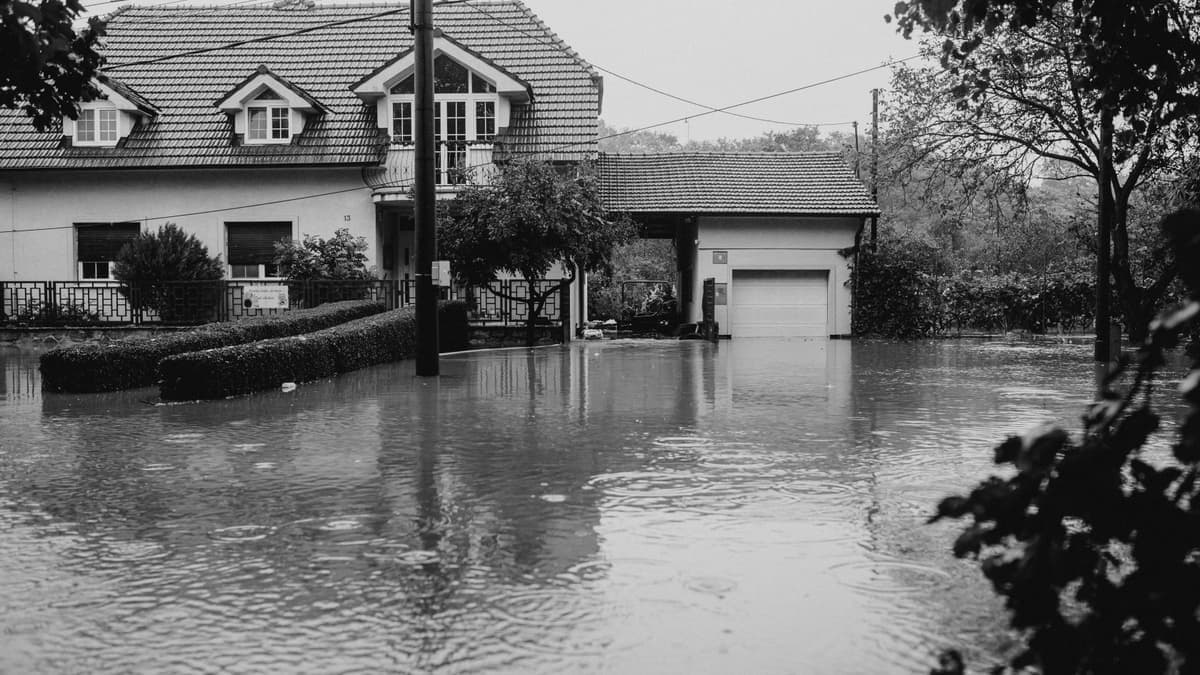
A single flood event at 200–300 mm depth in a standard Australian ground-floor home typically costs between $22,500 and $77,000 in repairs before insurance excess is applied — and that assumes the policy covers flood in the first place. Flooding costs Australia approximately $9 billion each year in property damage and economic disruption, according to Emergency Management Australia estimates. Understanding where those costs come from is the first step to deciding whether flood mitigation is worth the investment.
How much does a residential flood event actually cost in Australia?
A 200 mm flood event in a standard single-storey ground-floor home involves damage across at least six categories simultaneously. Unlike most other household damage events, flood damage compounds: wet building materials that are not dried within 24–48 hours develop mould, which then requires remediation on top of the original repair work. By the time the work is quoted, the scope is always larger than it appeared immediately after the water receded.
The cost breakdown for a representative 200–300 mm inundation event in a standard Australian home:
| Damage category | Typical cost range |
|---|---|
| Structural drying and mould treatment | $3,000–$8,000 |
| Floor replacement (carpet, tile, timber) | $4,000–$15,000 |
| Wall lining and repainting below flood line | $2,000–$6,000 |
| Kitchen cabinetry and joinery | $3,000–$12,000 |
| Electrical inspection and repair | $1,500–$4,000 |
| Contents loss (furniture, appliances, equipment) | $5,000–$20,000 |
| Temporary accommodation (4–8 weeks) | $4,000–$12,000 |
| Total per event | $22,500–$77,000 |
These figures are pre-excess. Standard Australian home and contents policies carry a flood excess of $500–$2,000 where flood cover exists, and premium increases of 15–40% over the three years following a claim further erode the net payout value.
The Insurance Council of Australia (ICA) reported approximately 240,000 claims from the 2022 south-east Queensland and NSW flood events, totalling around $6.6 billion in insured losses — an average claim value of approximately $27,500. This average conceals significant spread: properties with deeper inundation, timber floors, or large contents were frequently in the $60,000–$100,000 range.
What does the underinsurance gap mean for Australian property owners?
An estimated one in four properties that flooded in south-east Queensland in 2022 had no flood cover on their policy. Flood cover is a separate peril rider in most Australian home and contents products — it is not included by default, and many homeowners only discover the gap when they attempt to lodge a claim.
The definition of "flood" also varies by insurer. Some policies cover riverine flood but exclude stormwater inundation or overland flow — the category most relevant to suburban properties during intense rainfall events. A property can flood and the insurer can decline the claim on definitional grounds without that being a policy breach.
Properties that have flooded once face compounding risk on the insurance side: insurers may increase excess, exclude the flood peril at renewal, or decline to renew the policy entirely. Properties in designated high-risk flood zones across NSW and Queensland have experienced increasing non-renewal rates since 2022. An ACCC review of Northern Australia insurance found that access to flood cover was becoming structurally difficult in some postcodes regardless of mitigation measures in place.
If your property is in a flood-prone area, verify your policy's flood definition and confirm it covers both riverine flood and overland flow. Do this before the wet season — not when water is visible outside.
What does a flood event cost an Australian small business?
Commercial properties carry higher damage potential than residential properties because they combine structural loss with inventory, equipment, and business interruption costs, often hitting several categories simultaneously.
A moderate 200 mm flood event in a retail shopfront typically involves:
- Inventory loss: $5,000–$50,000 or more depending on stock type and storage height
- Fitout damage: $10,000–$60,000 for shelving, display units, refrigeration, and joinery
- Equipment and machinery: $5,000–$40,000 in a light industrial or commercial kitchen setting
- Business interruption: Australian SMEs lose an average of 4–7 trading days per flood event while repairs are completed
Business interruption insurance frequently excludes flood as a trigger event — this is a separate peril from the property damage section of a policy. Many small businesses carry property damage cover without checking whether business interruption applies to flood specifically, and discover the gap after a claim is declined.
The 2011 Brisbane flood provides a useful scale reference: Queensland Treasury estimated the total economic impact at approximately $30 billion across the state, incorporating infrastructure damage, business disruption, and agricultural losses well beyond what insured claims captured.
For guidance on protecting commercial premises specifically, see flood protection for small businesses.
What are Australia's most costly flood disasters on record?
The following table reflects insured losses as reported by the Insurance Council of Australia. Total economic costs including uninsured property, infrastructure damage, and economic output losses are substantially higher in each case.
| Event | Year | Insured loss (approx.) |
|---|---|---|
| South-east Qld + NSW floods | 2022 | $6.6 billion |
| Queensland floods | 2011 | $2.7 billion |
| Sydney storm and flood | 1999 | $1.7 billion |
| NSW Central West floods | 2022 | $1.3 billion |
| Townsville floods | 2019 | $1.2 billion |
The 2022 events are notable for a second reason beyond their cost: two separate catastrophe events in the same calendar year, both concentrated in the eastern seaboard corridor. The Bureau of Meteorology's long-range rainfall outlook provides seasonal probability guidance and is worth monitoring from September each year — elevated rainfall probability in eastern Australia correlates with periods of increased flood risk across NSW and Queensland.
What does flood barrier protection cost versus a single flood claim?
This is the calculation most property owners never make explicitly. The upfront cost of a prevention system set against the minimum cost of a single unmitigated event:
| Barrier type | Upfront cost | Return on 1 prevented event ($22,500 lower bound) |
|---|---|---|
| Water-activated sandbags | $59/pack of 6 | 1 event pays for 381 packs |
| Oxford barriers (2-pack) | $449 | 50× return |
| Aluminium demountable barriers | Quoted per opening | Reusable, season after season |
| ABS portable barriers | $1,659 | 14× return |
| Automatic flood gates | Site assessment required | Site-specific |
The minimum viable investment for a standard residential entry door is a pair of Oxford barriers at $449, covering openings from 150 mm to 1,300 mm wide and protecting to 900 mm depth. Water-activated sandbags at $59 for a pack of 6 handle gaps, irregular surfaces, and as a first line around doorsteps — they expand from 270 g to 18–22 kg within 2–3 minutes of contact with water.
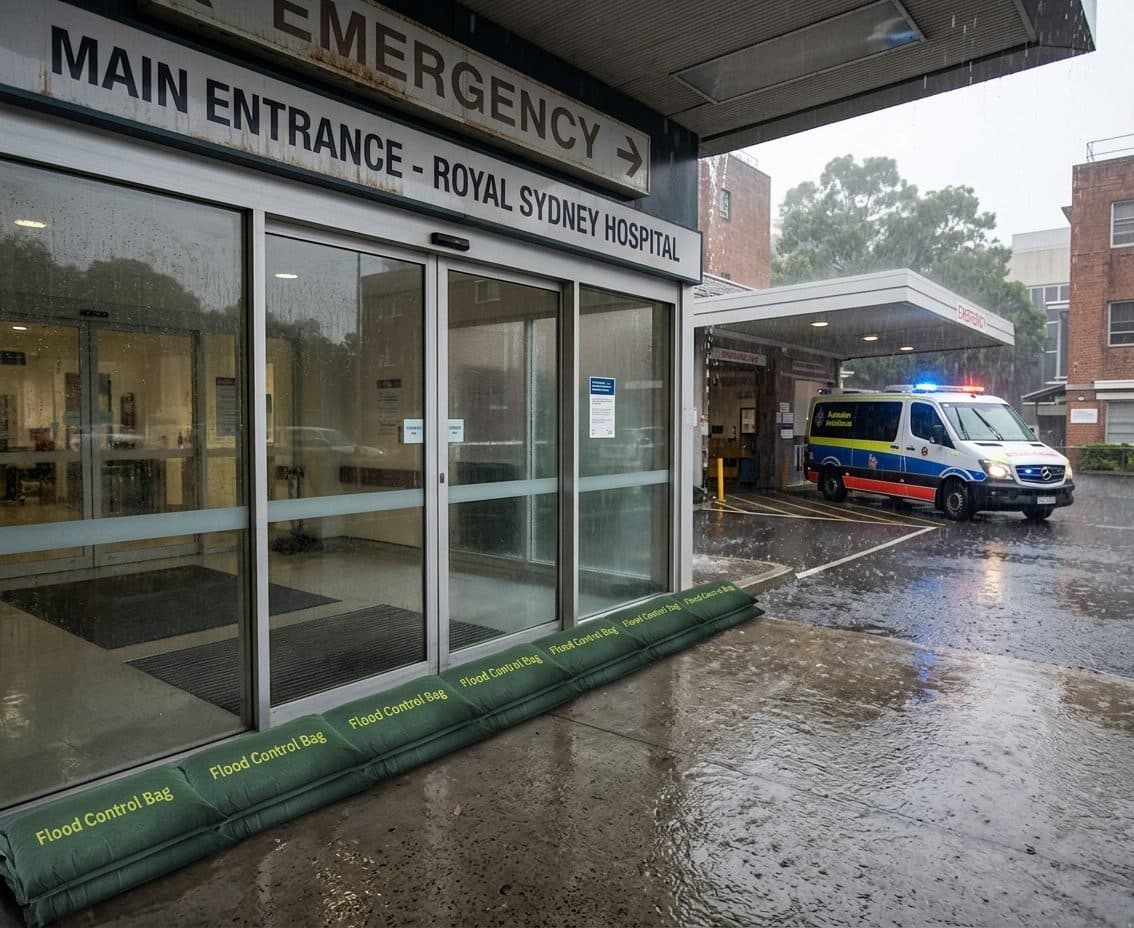
For properties that flood every 2–5 years, rigid reusable barriers have a substantially better total cost of ownership than single-use sandbags. A set of aluminium demountable barriers costs less per deployment than annual sandbag replacement within three flood seasons. For a full breakdown of what each system costs over its lifespan, see the flood barrier cost guide for Australian properties.
Does the government offer rebates or support for flood mitigation in Australia?
No national rebate or subsidy programme for residential or commercial flood barriers exists in Australia as of 2026. The options available at state and council level are limited but worth investigating:
- Local council programmes: Some councils in flood-prone areas of QLD and NSW operate subsidised sandbag distribution or provide guidance on approved mitigation products. Check directly with your local council emergency management team.
- Insurance premium reductions: Some insurers offer reduced premiums or broader flood cover terms where a property has documented active mitigation measures. Raise this directly with your insurer at renewal.
- Strata buildings: Body corporate by-laws in some states permit communal flood mitigation expenditure from the body corporate fund. Check your strata's by-laws and raise at committee level if applicable.
- Commercial tax treatment: Flood barriers at commercial properties may be depreciable under ATO general depreciation rules, or immediately deductible if the product is removable and used in a commercial income-producing context. Consult a registered tax agent for advice specific to your situation.
The absence of a national programme means flood risk cost-shifting continues to fall primarily on individual property owners and the insurance sector. Properties without cover bear the full cost of each event.
What should you do now to reduce your flood damage exposure?
The pattern from 2022 is instructive: two major events in a single year, both eastern seaboard, most damage concentrated in properties without flood cover or without physical mitigation measures. Preparation before the wet season — not during a warning — is the only reliable window.
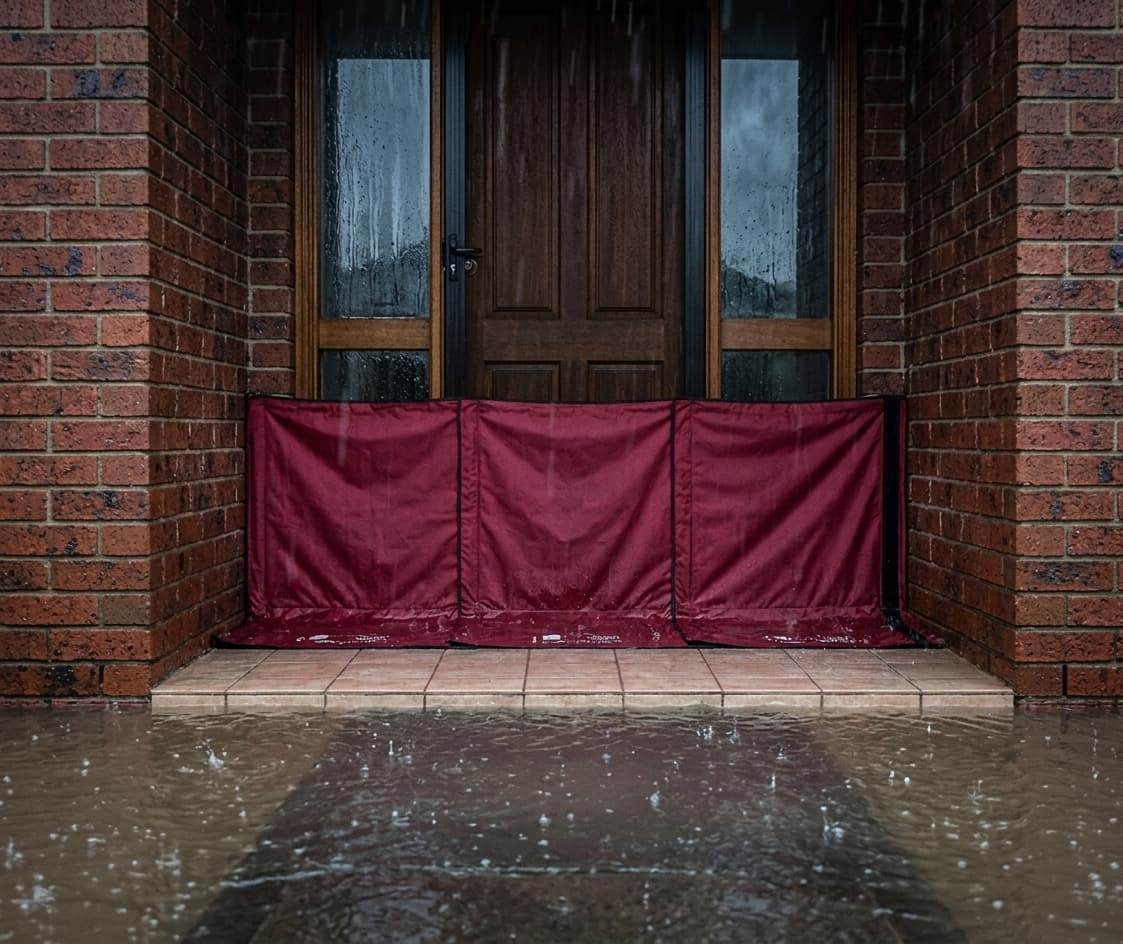
The maths are straightforward. A single prevented event at the lower bound of residential repair costs ($22,500) covers the lifetime cost of almost any barrier system — often by a factor of 10 to 50. The question is whether the barriers are in place before the warning is issued, not after.
Review your entry points, match a barrier to each opening type, and store them where they can be deployed in under 10 minutes. The flood preparation checklist for Australian properties covers the full sequence from early-season planning through to post-event recovery, and the flood barriers Australia buyer's guide explains which barrier type suits which opening. For specific guidance on your property, get in touch — we can recommend the right combination based on your site.
Recommended next step
Match the guide to a flood barrier option.
These are the product pages and guides most relevant to this topic. Use them to compare flood barriers Australia-wide, then request a site-specific recommendation.