
Article · 9 July 2026 · Updated 6 October 2026
Melbourne Flood Warning: How to Prepare
From 1 July 2026, the Bureau of Meteorology issues flood warnings for 27 Greater Melbourne locations. Here's what each alert means and how to act.
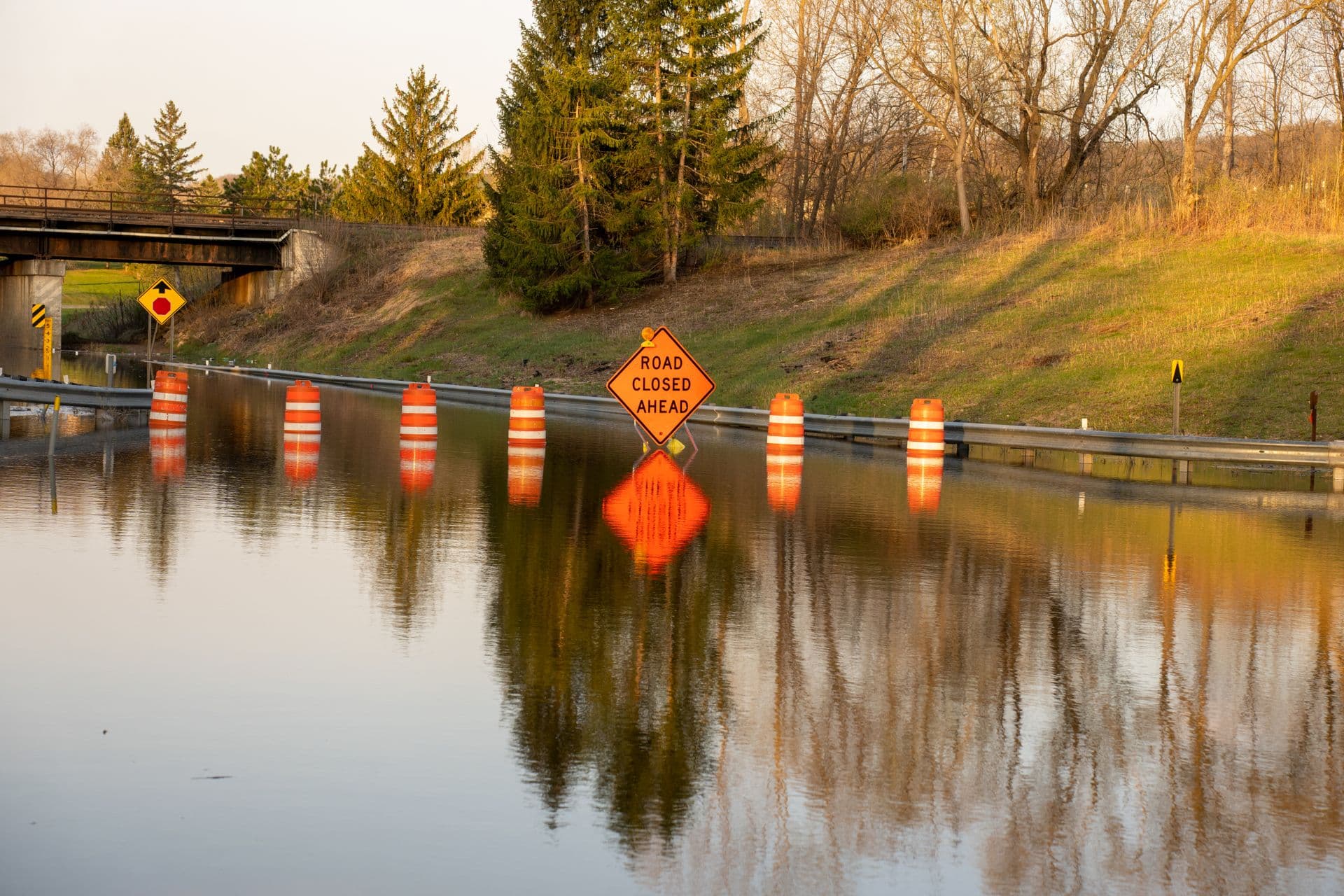
Melbourne properties in flood-prone suburbs need more than awareness — they need barriers already in position when the first BoM alert drops. From 1 July 2026, the Bureau of Meteorology now directly issues flood forecasts and warnings for 27 locations across Greater Melbourne's river catchments. That change means faster, more localised warnings for suburbs that were previously relying on Melbourne Water-issued alerts. Here is how the new system works and what to have ready before the next event.
What changed about Melbourne's flood warning system in July 2026?
Until 30 June 2026, Melbourne Water prepared riverine flood forecasts and warnings for Greater Melbourne, with the Bureau of Meteorology publishing them on Melbourne Water's behalf. That arrangement ended on 1 July 2026.
From that date, the Bureau of Meteorology now directly issues riverine flood forecasts and warnings for 27 forecast locations across Greater Melbourne. The bureau is now responsible for all riverine observations, modelling, and warning issue — not just publishing someone else's output.
Practically, this means Melbourne residents now receive warnings through a single authoritative source: BoM. Warnings appear on bom.gov.au, through the BOM Weather app, and through VicEmergency. The language and threshold levels are consistent with BoM's warnings elsewhere in Victoria, which simplifies interpretation for anyone who has dealt with flood warnings outside metropolitan Melbourne.
For strata buildings, commercial operators, and households in the affected catchments, the relevant action is the same as before: subscribe to BoM warnings for your postcode and ensure you know the difference between a Watch and a Warning. What has changed is that those warnings now come faster, with more granularity, and directly from the bureau.
Which Melbourne catchments now have Bureau of Meteorology flood forecasting?
The 27 new forecast locations span five catchments that cover a wide arc of metropolitan Melbourne.
The Maribyrnong River catchment runs through Sunshine, Keilor, Maidstone, Maribyrnong, Footscray, and into the Yarra confluence near Docklands. This is the catchment responsible for Melbourne's most frequently flooded residential streets — the same corridor that inundated hundreds of properties in 2010–2011 and again in October 2022.
The Yarra River catchment — the city's primary river system — stretches from the Yarra Ranges through Warrandyte, Templestowe, Kew, Richmond, and Southbank. The bureau now issues separate warnings for the upper and lower Yarra, so each affected community receives specific timing and height predictions rather than a single combined alert.
The Werribee River catchment covers western suburbs including Hoppers Crossing and the lower Werribee Plain. The Dandenong Creek catchment runs through the south-east through Ferntree Gully, Rowville, Dandenong, and Cranbourne — a corridor that experienced significant flooding in 2022 and 2025. The Bunyip River catchment extends through the urban-rural fringe south-east of Melbourne into the West Gippsland region.
Residents in any of these catchments should set up bom.gov.au location alerts now — not after a Flood Watch is issued.
How do BoM flood alert levels work — Watch, Warning, and Emergency Alert?
BoM issues alerts at escalating thresholds. Understanding what each level means for your property is the difference between deploying barriers with time to spare and scrambling after water has already reached the entry.
Flood Watch is the earliest advisory. It indicates that conditions may produce flooding in the coming 12–48 hours in the named catchment. This is the action trigger for any property in a flood-prone area. Deploy barriers, move vulnerable ground-floor contents upstairs, and avoid scheduling anything that takes you away from the property during the watch period.
Minor Flood Warning indicates that low-lying areas near watercourses and roads may be affected. Minor flooding affects some low-lying properties but typically does not threaten structures significantly above floor level.
Moderate Flood Warning means inundation of properties, roads, and residential streets is occurring or imminent. At this level, properties within the mapped flood extent are at genuine risk of water entry.
Major Flood Warning is issued when widespread property damage, road closures, and significant evacuation risk exist across the area. At this stage, barriers that were not already in place are unlikely to be deployable safely. This is the stage for following SES instructions, not for equipment installation.
For flash flooding from short-duration intense rainfall, BoM issues Severe Thunderstorm Warnings with community flash flood alerts where possible — and these can arrive with only 15–30 minutes of lead time.
How much warning time do Melbourne properties typically get before flooding?
Warning time varies significantly by catchment type and flood trigger.
Riverine flooding on the Maribyrnong and Yarra typically provides the most lead time — 6–24 hours from rainfall peak to river overtopping in the worst-affected sections. The Maribyrnong's upper catchment around Sunbury and Melton fills quickly after sustained rainfall, so Flood Watch declarations for that catchment often come while upstream rain is still falling. This gives residents several hours to act — enough to deploy barriers, shift vehicles, and move appliances.
Flash flooding from intense short-duration rainfall offers very little warning. The stormwater network overwhelms within minutes of the heaviest rainfall rates in compact events. This is the pattern that affects Port Melbourne, Docklands, and inner-north suburbs including Fitzroy and Brunswick. BoM's community flash flood warnings, where issued, may provide 15–30 minutes at most. Relying on a warning to trigger barrier deployment in a flash flood-prone suburb is not a workable plan — barriers need to be staged or in position before the event.
Coastal and estuary backflow affecting Docklands and Southbank near the Yarra outfall is driven by storm surge coinciding with high tide. VicEmergency typically issues coastal flooding notifications 12–24 hours in advance of a significant storm surge event, giving more preparation time than flash flooding but requiring different protection measures.
What flood barriers should Melbourne homes have ready before a warning?
The right barrier depends on your entry point type and the depth of water your suburb typically experiences.
Aluminium flood barriers are the standard recommendation for ground-floor residential entries, garage doors, and commercial shopfronts in Melbourne's flood-prone suburbs. They are made to measure for the opening, deploy in under 10 minutes with one person, and are redeployed season after season. Anchor points install once; after that, each deployment is a one-person job that can be completed within the window a Flood Watch provides.
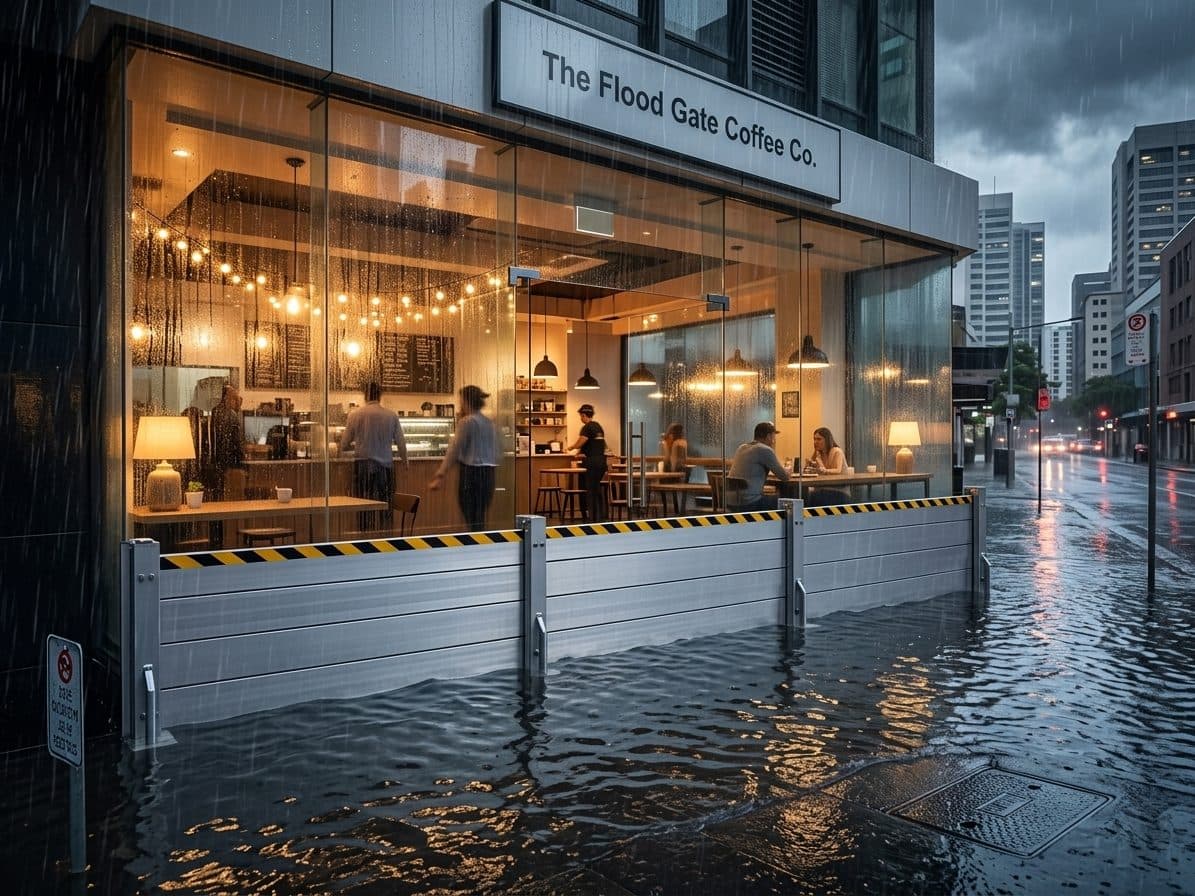
Water-activated sandbags provide a complementary layer for properties with irregular thresholds, multiple entry points, or gaps that rigid panels cannot fully bridge. Each pack of 6 stores flat at 270 g per bag and activates in 2–3 minutes on contact with fresh water, forming an instant dam at door bases, air vents, or ground-floor window wells. They are the right choice for covering gaps beneath door thresholds or sealing irregular surfaces that aluminium panels cannot seat against cleanly.
Oxford barriers at $449 per 2-pack offer a fast, no-anchor alternative for residential front entries and sliding glass doors. The telescopic width adjusts from 150 mm to 1,300 mm and the PVC-coated cloth body uses water pressure to form a base seal — no anchor installation required, which suits rental properties and owners who cannot permanently modify entry thresholds.
For underground car parks, basement entries and loading docks, automatic flood barriers can use water-level sensing to trigger an electrically powered hydraulic lift. They are a site-specific option where a staffed response cannot be guaranteed, provided the power, controls and maintenance arrangements are suitable.
Can you still deploy flood barriers after a Flood Watch is issued?
Yes — and a Watch is the right trigger for deployment. Most properties in Melbourne's riverine flood zones have several hours between Watch issue and water reaching entry level. That window is sufficient to deploy aluminium barriers, position sandbags at secondary entry points, and move vehicles to higher ground.
The common mistake is waiting for a Flood Warning before acting. By the time a Warning is issued, the usable deployment window narrows, traffic is building on exit routes, and SES resources are being directed at properties in immediate danger. Getting in the queue at that point means competing with hundreds of other households for the same narrow window of time.
Deploying at the Watch stage and standing barriers down if the event does not materialise costs nothing beyond 20 minutes of setup time. A missed deployment when the event does materialise can cost tens of thousands in floor coverings, cabinetry, appliances, and structural drying — plus weeks of displacement if the property is uninhabitable.
What should Melbourne commercial and strata properties do when a warning drops?
Commercial properties and strata buildings need a documented action protocol that does not depend on any particular individual being present.
At Flood Watch: Alert the building manager or facilities team. Confirm barriers are accessible, undamaged, and deployment-ready. Notify ground-floor tenants and basement car park users that a Watch is in place.
At Minor Flood Warning: Deploy barriers at all known vulnerable entry points. Move vehicles from underground car parks. Check that sump pumps are operational and stormwater drainage grates are clear of debris.
At Moderate or Major Flood Warning: Execute full barrier deployment across all ground-floor and basement entries. Secure or raise electrical switchboards above expected water height. Contact the building's insurer. Co-ordinate with VIC SES for any assisted evacuation of mobility-impaired occupants.
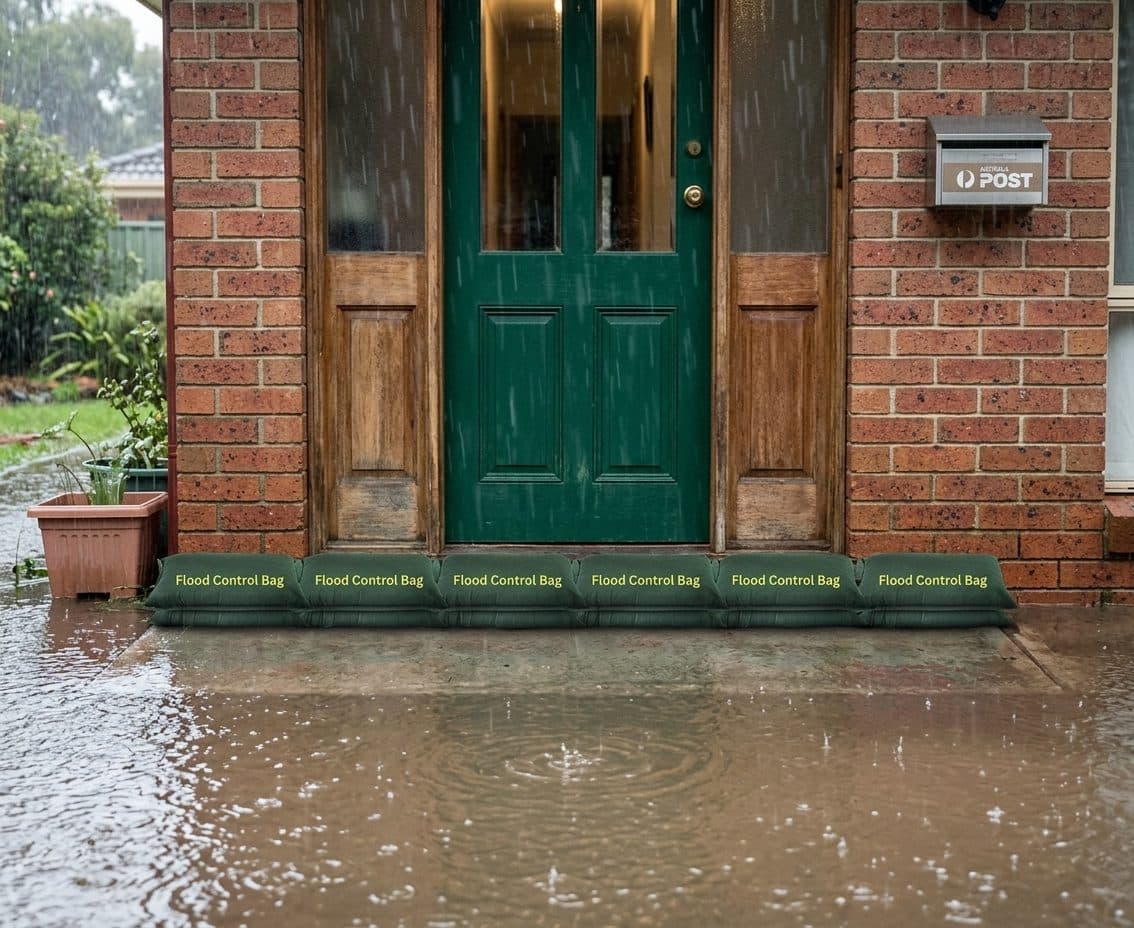
For strata buildings, this protocol should be documented in the OC's emergency management plan and reviewed annually. Automatic flood gates on basement car park ramps eliminate the dependency on manual deployment — water-level sensing raises the barrier with no staff on site, and it is lowered and reset from a remote control or central control switch once the water has gone. This is the appropriate solution for any Melbourne strata building with below-grade parking that does not have a 24-hour facilities team.
How do you sign up to receive Melbourne flood alerts?
Three channels cover Melbourne's flood warning landscape and complement each other.
BOM Weather app — download from bom.gov.au/apps/weatherapp, search your suburb or postcode, and enable push notifications for Flood Watch, Flood Warning, and Severe Thunderstorm warnings. The app displays real-time rainfall radar and river height gauge readings, which lets you track the Maribyrnong and Yarra charts in real time during a developing event and make your own timing judgements rather than waiting for the next bulletin.
VicEmergency — download from vicemergency.vic.gov.au or search for the VicEmergency app. This is the authoritative source for Watch and Act and Emergency Warning advisories from VIC SES. When VicEmergency issues a Watch and Act for your street or suburb, that instruction overrides any individual decision-making — follow the SES guidance.
bom.gov.au/warnings — the warnings index shows all current BoM warnings by state and type, updated in real time. Bookmarking the Victoria flood warnings page gives a single reference to check when a BOM Weather app notification arrives and you want to read the full bulletin text.
For properties in the Werribee, Maribyrnong, Yarra, Dandenong Creek, or Bunyip catchments, setting up all three channels takes under five minutes and provides overlapping coverage across riverine, flash, and emergency-level events.
Getting the warning is only half the equation. Having barriers already on site — ready to deploy at the Watch stage — is what converts warning lead time into a dry floor when the event arrives.
Recommended next step
Match the guide to a flood barrier option.
These are the product pages and guides most relevant to this topic. Use them to compare flood barriers Australia-wide, then request a site-specific recommendation.