
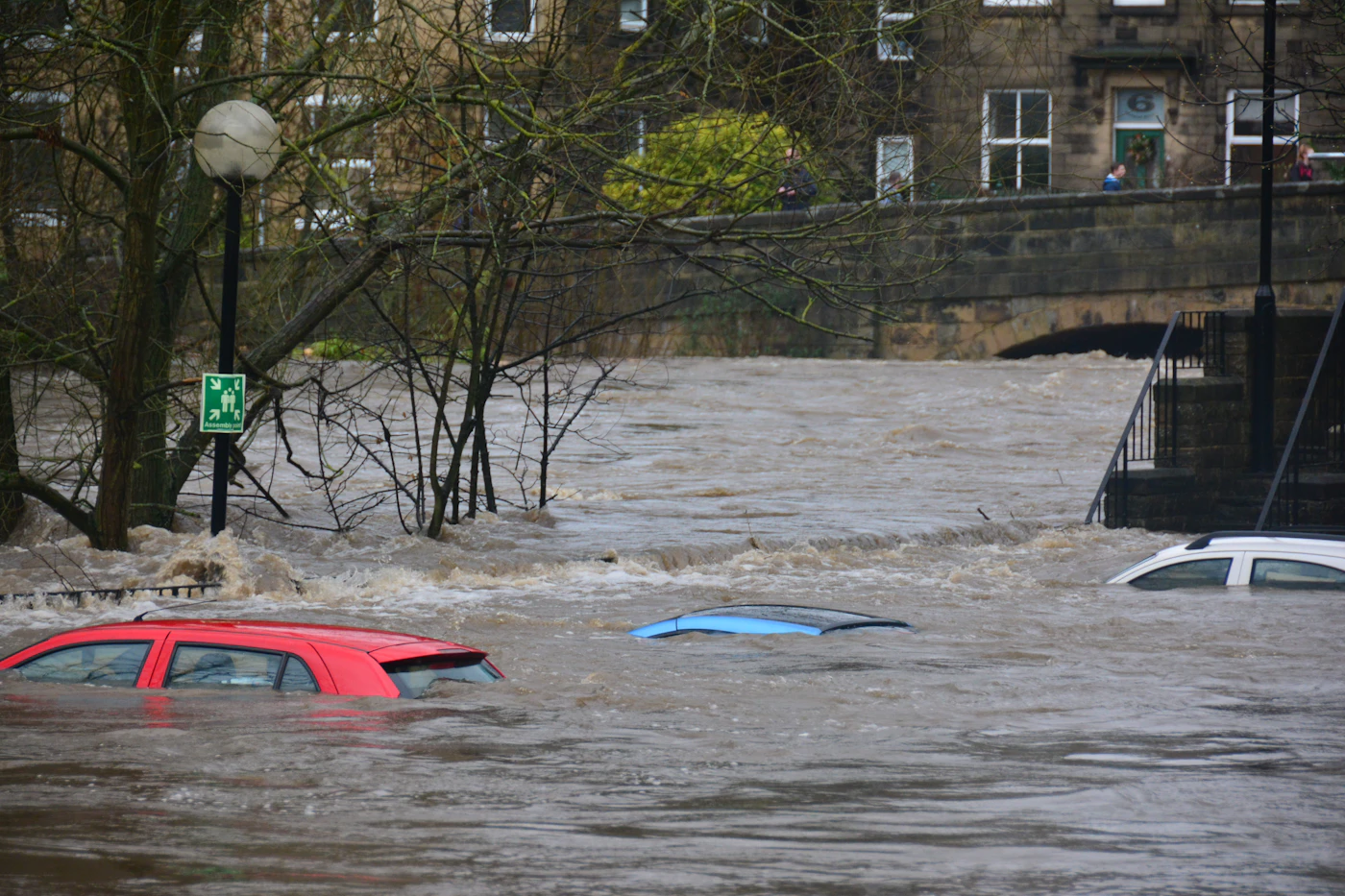
Bottom line: for most homes and small businesses in NSW and QLD, modern flood barriers are faster to deploy, cleaner to handle, and more practical for repeat storm seasons. Sandbags still have value for irregular gaps and emergency patching, but they are labour-heavy and often underperform when deployment is rushed.
If you’re choosing flood protection for your home or business, this guide helps you make a practical decision before the next storm warning. We compare setup speed, performance, cost over multiple seasons, and where each option fits in a real flood plan.
In this guide
- Flood barriers vs sandbags comparison table
- Deployment speed and labour requirements
- Performance in doorways, driveways, and shopfronts
- Cost over one event vs multiple seasons
- Best setup for NSW & QLD properties
- Frequently Asked Questions
Flood barriers vs sandbags comparison table
| Factor | Flood Barriers | Sandbags |
|---|---|---|
| Deployment time | Fast (minutes with pre-planned layout) | Slow (fill, carry, stack manually) |
| Team size required | Small team | Larger team |
| Repeat use | High (reusable) | Low (often single event) |
| Clean-up load | Lower | Higher disposal burden |
| Best use case | Doorways, driveways, repeated-risk sites | Gap-filling and irregular edges |
1) Deployment speed and labour requirements
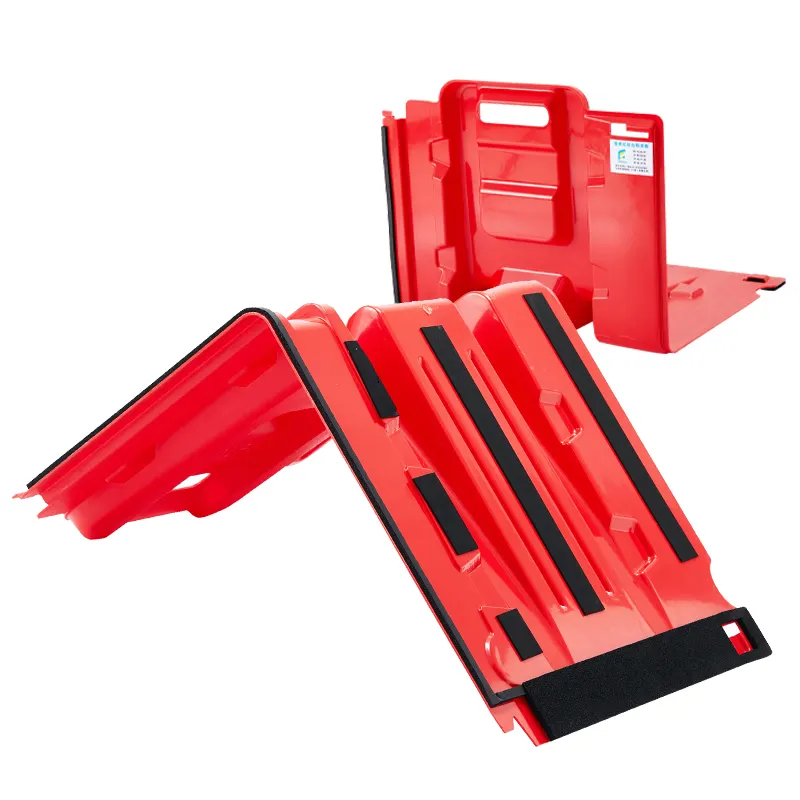
When severe weather alerts are issued, every minute counts. A major weakness of traditional sandbags is preparation friction: you need bags, fill material, people, time, and often transport. In contrast, reusable barriers can be stored ready-to-go and placed rapidly using a pre-marked layout.
For most suburban and light commercial properties, faster deployment directly improves protection outcomes because the barrier line is in place before runoff peaks. This is especially relevant in areas where intense rainfall cells arrive with short warning windows.
2) Performance in doorways, driveways, and shopfronts
Both systems can reduce damage, but they fail in different ways. Sandbags tend to leak through imperfect stacking and side gaps. Barrier systems can fail if sizing is wrong or if side interfaces are not sealed. That is why site measurement and dry-run setup are non-negotiable.
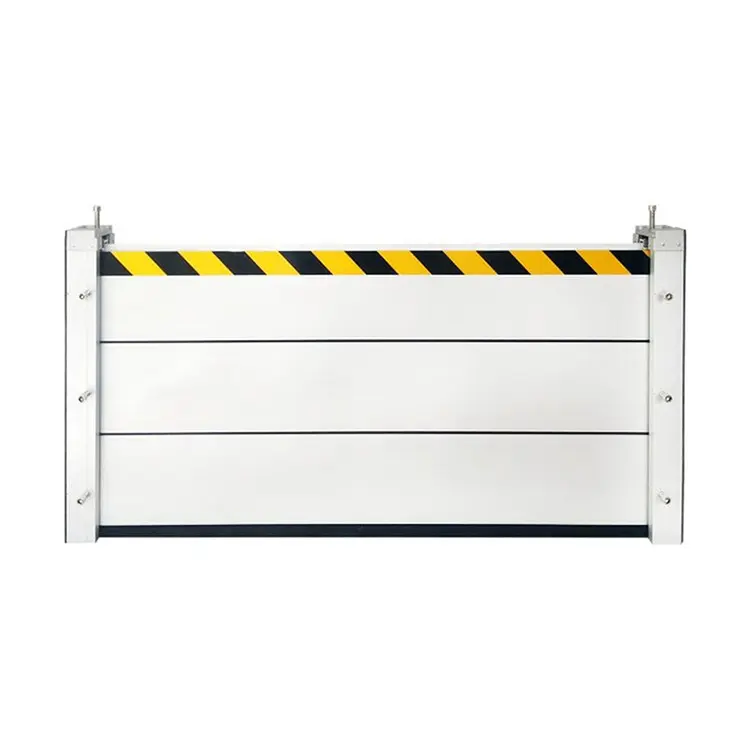
For straight-line openings and repeated-risk points, products like Aluminium Flood Barriers and Automatic Flood Barrier Systems usually offer stronger consistency than manually stacked bags.
3) Cost over one event vs multiple seasons
Sandbags can look cheaper at first purchase, but total cost often increases after repeated events: labour hours, replenishment, disposal, and clean-up time are usually underestimated. Reusable systems cost more upfront but often become cheaper over 2–3 high-risk seasons.
A practical financial view is to compare against downtime and repair costs. For businesses, one interrupted trading period can exceed the annual cost difference between low-cost temporary bags and a reusable barrier setup.
4) Best setup for NSW and QLD properties
The strongest real-world setup is usually hybrid:
- Main line: reusable barriers at primary openings
- Edge control: compact reserve of sandless bags for irregular gaps
- Procedure: 20–30 minute deployment drill every quarter
For additional options, see Oxford Water Diversion Barriers and Water Activated Sandless Sandbags.
Use official warning sources to trigger deployment timing:
Frequently Asked Questions
Are flood barriers better than sandbags for home use?
In most repeat-risk scenarios, yes. They are faster to install, reusable, and easier to manage at scale. Sandbags remain useful as supplementary gap tools.
Can I combine both systems?
Yes. Many properties deploy rigid barriers as the primary line and keep sandless bags for corners, thresholds, and odd interfaces.
What should I do before storm season?
Measure all openings, map deployment order, test installation dry, and store equipment in one accessible location.
Conclusion
If your goal is predictable protection with less labour stress, flood barriers are usually the stronger long-term choice in NSW and QLD. Sandbags still have a role, but mainly as backup and edge correction. Build a hybrid plan now, run one drill this month, and you will perform better when severe weather arrives.
Advanced Decision Framework: Choosing by Property Type
Detached homes: prioritise driveway and garage entries first. For many homes, a mix of modular barriers plus targeted sandless backup gives the best cost-performance ratio.
Townhouses and strata: focus on common access points and low-level doorways. Document who deploys shared barriers and where equipment is stored. Response delay is a bigger risk than product choice.
Retail frontages: speed and repeatability matter most. Use barrier layouts that can be installed by 1-2 staff without specialist tools. Keep backup absorbent units for signage bases and cable gaps.
How to Measure Openings Correctly (Avoiding Common Purchase Errors)
- Measure clear width at floor level and at 200mm height (some doorways taper).
- Record threshold height and any slope direction.
- Photograph left/right side interfaces where leakage usually starts.
- Identify obstacles: tracks, rollers, drains, uneven joints.
- Create a product map with quantities and deployment sequence.
Most failed installations are planning failures, not product failures. A 20-minute dry run before storm season saves significant damage risk later.
Evidence-Based Trigger Points
Use official updates from BOM and SES channels, and trigger setup on forecast risk, not visible water. If your suburb has repeated runoff history, deploy earlier and treat warnings as action signals, not information signals.
Implementation Example: Typical Suburban Property
Example setup: one driveway line, one front entry line, and two backup gap kits. During warning windows, deployment starts at the garage, then front door, then side-path reinforcement. This sequence protects the highest-volume ingress first and reduces setup error under time pressure. Keep product labels visible and map placement points with weatherproof tape so anyone in the household can deploy correctly.
After each storm event, record what failed, what delayed setup, and what quantity was missing. That short review loop steadily improves real protection performance over the season.