
Small businesses usually think flood risk is a building problem. In reality, it often becomes an operations problem first. The biggest loss often isn’t physical damage — it is lost trading days, delayed jobs, disrupted teams, and customers who don’t know when you’ll reopen. This guide covers flood protection for small businesses in Australia, with a simple plan your team can run under pressure. It focuses on flood protection for small businesses Australia.
What to protect first (and why)
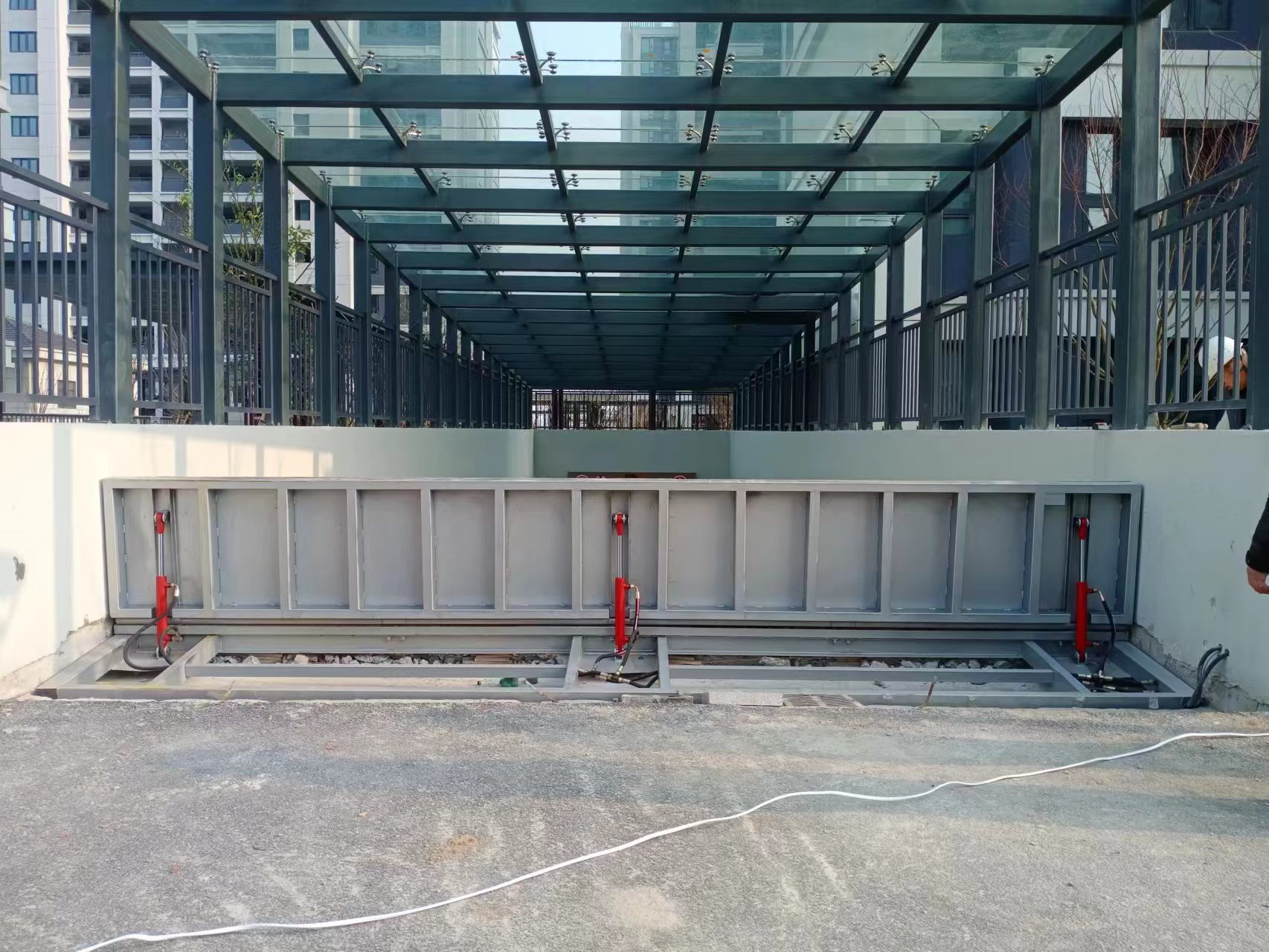
If you run a shop, workshop, or small warehouse, start by asking one question: what do we need to protect first to keep operating? In most sites, that means two zones: customer-facing access and business-critical assets (payment systems, key stock, and communication equipment). When you protect these two zones early, recovery is usually faster even if rain is severe.
Many operators make the plan too broad too soon. They try to cover every edge at once, then setup slows down and becomes inconsistent. A better approach is staged protection: secure major entry points first, then reinforce secondary edges and low points. This keeps deployment realistic for small teams.
flood protection for small businesses Australia: product options
From your current range, practical options include Automatic Flood Barrier System and Aluminium Flood Barriers for primary entries, with Water Activated Sandless Sandbags or Oxford Water Diversion Barriers for side-path and gap management.
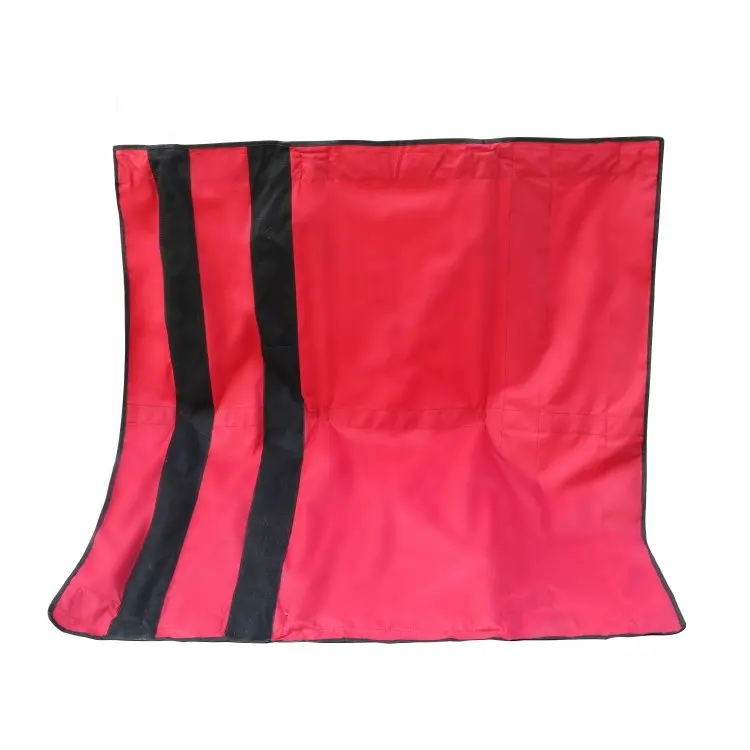
Diversion tools are useful where runoff needs to be moved away from key entrances.
Another common blind spot is role ownership. Teams want to help, but under pressure nobody is sure who leads, who deploys, and who handles customer updates. Keep this simple: assign one site lead, one deployment owner, and one communication owner. That single change improves response quality more than most equipment upgrades.
When to activate your plan
Don’t wait for water at the doorstep. Decide in advance which warning level triggers setup, then follow the same steps every time. That consistency makes the plan work on a busy day.
Use official warning channels as your trigger points, not assumptions:
After each event, run a short operational review: how long setup took, where seepage occurred, what slowed reopening, and what should be repositioned before the next warning. Businesses that do this consistently usually reduce downtime over time, even without major new spend.
Frequently Asked Questions
What should a small business protect first?
Start with customer-facing entrances and core business systems (payments, stock access, and communications). Protecting everything equally usually slows response.
Should we still keep sandbag-type products?
Yes, but mainly as supplementary tools for corners and irregular gaps. Primary lines should be fast and repeatable.
How often should teams rehearse flood response?
At least once each quarter and before your local peak storm period.
Bottom line: the best flood protection plan for small businesses is one your team can execute quickly and consistently on a busy day.